

-
About UsAn enterprise integrating R & D, design, production, sales and installation of steel plate warehouse and grain machinery and equipment can provide customers with a complete set of grain screening, drying, storage and turnover systems, as well as professional customized services, technical support, reliable spare parts supply and high-quality after-sales service

-
ProductsAn enterprise integrating R & D, design, production, sales and installation of steel plate warehouse and grain machinery and equipment can provide customers with a complete set of grain screening, drying, storage and turnover systems, as well as professional customized services, technical support, reliable spare parts supply and high-quality after-sales service
-
BlogAn enterprise integrating R & D, design, production, sales and installation of steel plate warehouse and grain machinery and equipment can provide customers with a complete set of grain screening, drying, storage and turnover systems, as well as professional customized services, technical support, reliable spare parts supply and high-quality after-sales service
-
Service SupportAn enterprise integrating R & D, design, production, sales and installation of steel plate warehouse and grain machinery and equipment can provide customers with a complete set of grain screening, drying, storage and turnover systems, as well as professional customized services, technical support, reliable spare parts supply and high-quality after-sales service
Understanding Thermal Insulation Grain Bins: Enhancing Storage Efficiency
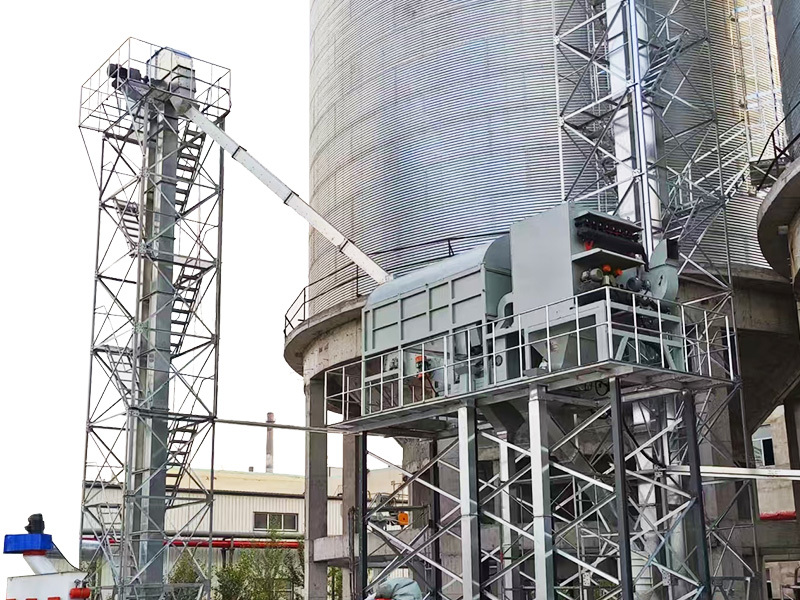
In the transportation and warehousing industry, efficient grain storage is critical for maintaining the quality and integrity of stored products. One effective solution that has gained traction is the thermal insulation grain bin. These specialized storage units are designed to protect grains and other commodities from temperature fluctuations, moisture, and pests, ensuring optimal preservation co
In the transportation and warehousing industry, efficient grain storage is critical for maintaining the quality and integrity of stored products. One effective solution that has gained traction is the thermal insulation grain bin. These specialized storage units are designed to protect grains and other commodities from temperature fluctuations, moisture, and pests, ensuring optimal preservation conditions.
Thermal insulation grain bins are constructed with materials that provide superior thermal resistance. This means that they minimize heat transfer, keeping the interior environment stable regardless of external weather conditions. The insulation can significantly reduce the need for artificial heating or cooling, creating a more energy-efficient storage solution. This is particularly important for grains, which are sensitive to temperature and humidity changes that can lead to spoilage, mold growth, or pest infestations.
The advantages of utilizing thermal insulation grain bins extend beyond just temperature control. They also contribute to a more consistent storage environment, which is crucial for maintaining the quality of grains during long-term storage. By preventing temperature spikes and drops, these bins help to extend the shelf life of stored products, reducing waste and improving profitability for businesses.
Furthermore, the design of thermal insulation grain bins often incorporates features that enhance their functionality. Many bins come equipped with advanced ventilation systems, which work in tandem with the insulation to promote air circulation. This not only helps to control moisture levels but also minimizes the risk of condensation, which can lead to spoilage.
From a logistical standpoint, thermal insulation grain bins are also beneficial for transportation purposes. They can be easily integrated into existing warehousing and transportation frameworks, providing a seamless solution for businesses looking to enhance their storage capabilities. The durability of these bins is another key factor; built to withstand various environmental conditions, they offer long-lasting performance, reducing the need for frequent replacements.
In summary, thermal insulation grain bins represent a significant advancement in the field of grain storage. By providing effective insulation, they help to ensure that stored grains remain at optimal conditions, thereby enhancing overall storage efficiency. For professionals in the transportation and warehousing industry, understanding the benefits and applications of thermal insulation grain bins is essential for making informed decisions that can lead to improved operations and increased profitability. Embracing these innovative storage solutions can ultimately contribute to a more sustainable and efficient supply chain.
Thermal insulation grain bins are constructed with materials that provide superior thermal resistance. This means that they minimize heat transfer, keeping the interior environment stable regardless of external weather conditions. The insulation can significantly reduce the need for artificial heating or cooling, creating a more energy-efficient storage solution. This is particularly important for grains, which are sensitive to temperature and humidity changes that can lead to spoilage, mold growth, or pest infestations.
The advantages of utilizing thermal insulation grain bins extend beyond just temperature control. They also contribute to a more consistent storage environment, which is crucial for maintaining the quality of grains during long-term storage. By preventing temperature spikes and drops, these bins help to extend the shelf life of stored products, reducing waste and improving profitability for businesses.
Furthermore, the design of thermal insulation grain bins often incorporates features that enhance their functionality. Many bins come equipped with advanced ventilation systems, which work in tandem with the insulation to promote air circulation. This not only helps to control moisture levels but also minimizes the risk of condensation, which can lead to spoilage.
From a logistical standpoint, thermal insulation grain bins are also beneficial for transportation purposes. They can be easily integrated into existing warehousing and transportation frameworks, providing a seamless solution for businesses looking to enhance their storage capabilities. The durability of these bins is another key factor; built to withstand various environmental conditions, they offer long-lasting performance, reducing the need for frequent replacements.
In summary, thermal insulation grain bins represent a significant advancement in the field of grain storage. By providing effective insulation, they help to ensure that stored grains remain at optimal conditions, thereby enhancing overall storage efficiency. For professionals in the transportation and warehousing industry, understanding the benefits and applications of thermal insulation grain bins is essential for making informed decisions that can lead to improved operations and increased profitability. Embracing these innovative storage solutions can ultimately contribute to a more sustainable and efficient supply chain.
Tag:
Recommend Blog
Understanding Steel Storage Tanks: Essential Considerations for Transportation and Warehousing
Steel storage tanks are robust containers designed to hold liquids, gases, or solids. Their durability and strength make them an ideal choice for various applications, particularly in transportation and warehousing environments. One of the primary benefits of steel storage tanks is their ability to withstand harsh conditions, ensuring the safe and reliable storage of materials.
These tanks come i


Contact Information
Industrial Zone, Cui Miao Town, Fucheng County, Hengshui City, Hebei Province
Message feedback
Business License
Power by 300.cn | TAG | City List | Privacy