

-
About UsAn enterprise integrating R & D, design, production, sales and installation of steel plate warehouse and grain machinery and equipment can provide customers with a complete set of grain screening, drying, storage and turnover systems, as well as professional customized services, technical support, reliable spare parts supply and high-quality after-sales service

-
ProductsAn enterprise integrating R & D, design, production, sales and installation of steel plate warehouse and grain machinery and equipment can provide customers with a complete set of grain screening, drying, storage and turnover systems, as well as professional customized services, technical support, reliable spare parts supply and high-quality after-sales service
-
BlogAn enterprise integrating R & D, design, production, sales and installation of steel plate warehouse and grain machinery and equipment can provide customers with a complete set of grain screening, drying, storage and turnover systems, as well as professional customized services, technical support, reliable spare parts supply and high-quality after-sales service
-
Service SupportAn enterprise integrating R & D, design, production, sales and installation of steel plate warehouse and grain machinery and equipment can provide customers with a complete set of grain screening, drying, storage and turnover systems, as well as professional customized services, technical support, reliable spare parts supply and high-quality after-sales service
Understanding Steel Storage Tanks: Essential Considerations for Transportation and Warehousing
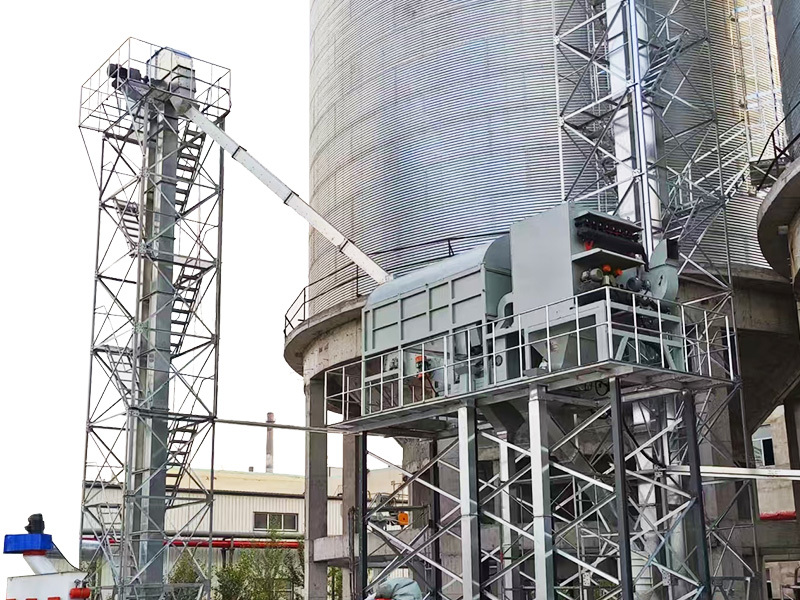
Steel storage tanks are robust containers designed to hold liquids, gases, or solids. Their durability and strength make them an ideal choice for various applications, particularly in transportation and warehousing environments. One of the primary benefits of steel storage tanks is their ability to withstand harsh conditions, ensuring the safe and reliable storage of materials.
These tanks come i
Steel storage tanks are robust containers designed to hold liquids, gases, or solids. Their durability and strength make them an ideal choice for various applications, particularly in transportation and warehousing environments. One of the primary benefits of steel storage tanks is their ability to withstand harsh conditions, ensuring the safe and reliable storage of materials.
These tanks come in various shapes and sizes, accommodating different storage needs. In the transportation sector, steel storage tanks are often used to store fuel, chemicals, or other hazardous materials. Their design often includes features that prevent leaks and contamination, which is crucial for maintaining safety standards and environmental regulations.
Another key advantage of steel storage tanks is their longevity. When properly maintained, these tanks can last for decades, providing a cost-effective solution for businesses. Maintenance involves regular inspections to check for signs of corrosion or damage. Steel has a high resistance to wear and tear, making it a preferred material for storage solutions in demanding environments.
In the context of warehousing, steel storage tanks can be integrated into larger storage systems, enhancing efficiency and space utilization. For instance, they can be used alongside warehouse cages and pallet racks to optimize the storage of various materials. This integration not only maximizes space but also facilitates easy access to stored goods, improving overall logistics.
Moreover, the installation of steel storage tanks must comply with local regulations and safety standards. It is essential to consider factors such as tank placement, accessibility for maintenance, and emergency response measures. In many cases, businesses may need to conduct risk assessments to ensure that their storage practices do not pose hazards to workers or the surrounding environment.
When considering steel storage tanks, it's also important to assess the specific requirements of the materials being stored. Different substances may react differently with steel, so understanding the compatibility of the stored materials with the tank's material is vital to prevent any adverse reactions.
In summary, steel storage tanks play a significant role in the transportation and warehousing sectors by providing a safe, durable, and efficient way to store various materials. Their resilience, longevity, and versatility make them an indispensable asset in logistics. Companies looking to optimize their storage solutions should consider the various aspects of steel storage tanks to ensure they meet both regulatory compliance and operational efficiency.
These tanks come in various shapes and sizes, accommodating different storage needs. In the transportation sector, steel storage tanks are often used to store fuel, chemicals, or other hazardous materials. Their design often includes features that prevent leaks and contamination, which is crucial for maintaining safety standards and environmental regulations.
Another key advantage of steel storage tanks is their longevity. When properly maintained, these tanks can last for decades, providing a cost-effective solution for businesses. Maintenance involves regular inspections to check for signs of corrosion or damage. Steel has a high resistance to wear and tear, making it a preferred material for storage solutions in demanding environments.
In the context of warehousing, steel storage tanks can be integrated into larger storage systems, enhancing efficiency and space utilization. For instance, they can be used alongside warehouse cages and pallet racks to optimize the storage of various materials. This integration not only maximizes space but also facilitates easy access to stored goods, improving overall logistics.
Moreover, the installation of steel storage tanks must comply with local regulations and safety standards. It is essential to consider factors such as tank placement, accessibility for maintenance, and emergency response measures. In many cases, businesses may need to conduct risk assessments to ensure that their storage practices do not pose hazards to workers or the surrounding environment.
When considering steel storage tanks, it's also important to assess the specific requirements of the materials being stored. Different substances may react differently with steel, so understanding the compatibility of the stored materials with the tank's material is vital to prevent any adverse reactions.
In summary, steel storage tanks play a significant role in the transportation and warehousing sectors by providing a safe, durable, and efficient way to store various materials. Their resilience, longevity, and versatility make them an indispensable asset in logistics. Companies looking to optimize their storage solutions should consider the various aspects of steel storage tanks to ensure they meet both regulatory compliance and operational efficiency.
Tag:
Previous Page
Previous Page:
Recommend Blog
Understanding Steel Storage Tanks: Essential Considerations for Transportation and Warehousing
Steel storage tanks are robust containers designed to hold liquids, gases, or solids. Their durability and strength make them an ideal choice for various applications, particularly in transportation and warehousing environments. One of the primary benefits of steel storage tanks is their ability to withstand harsh conditions, ensuring the safe and reliable storage of materials.
These tanks come i


Contact Information
Industrial Zone, Cui Miao Town, Fucheng County, Hengshui City, Hebei Province
Message feedback
Business License
Power by 300.cn | TAG | City List | Privacy