

-
About UsAn enterprise integrating R & D, design, production, sales and installation of steel plate warehouse and grain machinery and equipment can provide customers with a complete set of grain screening, drying, storage and turnover systems, as well as professional customized services, technical support, reliable spare parts supply and high-quality after-sales service

-
ProductsAn enterprise integrating R & D, design, production, sales and installation of steel plate warehouse and grain machinery and equipment can provide customers with a complete set of grain screening, drying, storage and turnover systems, as well as professional customized services, technical support, reliable spare parts supply and high-quality after-sales service
-
BlogAn enterprise integrating R & D, design, production, sales and installation of steel plate warehouse and grain machinery and equipment can provide customers with a complete set of grain screening, drying, storage and turnover systems, as well as professional customized services, technical support, reliable spare parts supply and high-quality after-sales service
-
Service SupportAn enterprise integrating R & D, design, production, sales and installation of steel plate warehouse and grain machinery and equipment can provide customers with a complete set of grain screening, drying, storage and turnover systems, as well as professional customized services, technical support, reliable spare parts supply and high-quality after-sales service
What Makes Steel Grain Silos with Ladders Ideal for Agricultural Storage?
What Makes Steel Grain Silos with Ladders Ideal for Agricultural Storage?
Introduction to Steel Grain Silos in Agriculture
Agriculture is a cornerstone of modern economies, necessitating efficient methods for grain storage. Steel grain silos stand out as a robust solution that offers numerous benefits. They are specifically designed to protect grains from environmental factors while maximizing s
What Makes Steel Grain Silos with Ladders Ideal for Agricultural Storage?
Introduction to Steel Grain Silos in Agriculture
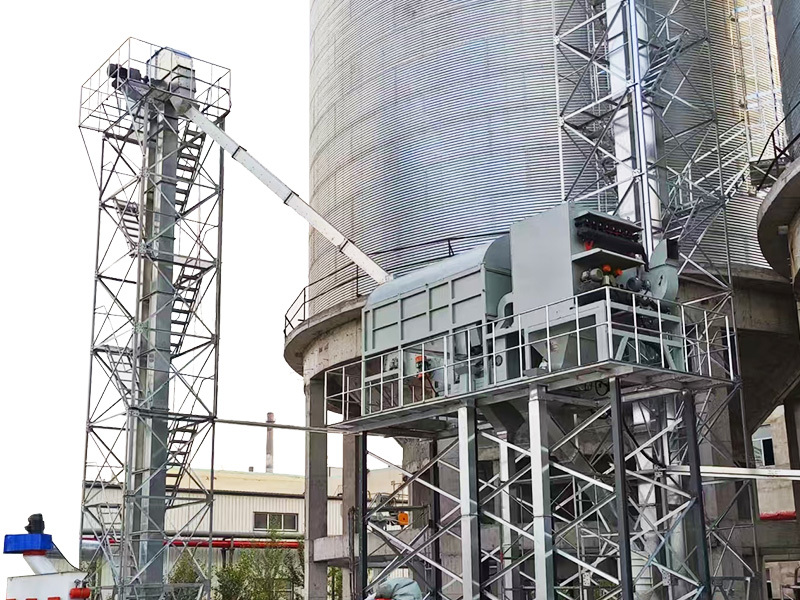
Agriculture is a cornerstone of modern economies, necessitating efficient methods for grain storage. Steel grain silos stand out as a robust solution that offers numerous benefits. They are specifically designed to protect grains from environmental factors while maximizing space. Among their key features, ladders play a crucial role in facilitating easy access and maintenance.
Understanding the Structure of Steel Grain Silos
Steel grain silos come in various designs but generally share common structural features that enhance their efficacy.
Material Benefits of Steel
Steel is renowned for its strength and durability. Unlike concrete or wood, which may degrade over time, steel ensures longevity and resilience against harsh weather. Additionally, its non-porous nature prevents moisture absorption, thus safeguarding the stored grains from mold and spoilage.
Design and Capacity
The design of steel silos allows for optimal stacking and storage capabilities. They can accommodate a vast volume of grains, making them ideal for both small-scale farms and large agribusinesses. The vertical design maximizes floor space, allowing farmers to utilize their land efficiently.
The Importance of Ladders in Steel Grain Silos
Ladders are more than just an accessory; they are an integral part of the operational efficiency of steel grain silos.
Facilitating Safe Access
Safety is paramount in agricultural operations. Ladders provide safe access to the top of the silos, enabling workers to monitor grain levels and perform maintenance without risk. Modern ladders are designed with slip-resistant steps and handrails, further enhancing safety.
Streamlining Maintenance Procedures
Regular maintenance is crucial to preserve the functionality of silos. With ladders, farmers can easily access the silos for inspections and repairs. This ease of access ensures that any potential issues are addressed promptly, minimizing downtime.
Advantages of Steel Grain Silos with Ladders
Enhanced Protection Against Pests and Weather
Steel silos provide a formidable barrier against pests such as rodents and insects, which can compromise the quality of stored grains. Additionally, their robust construction protects against harsh weather conditions, including rain, snow, and extreme temperatures.
Efficient Aeration and Temperature Control
Temperature control is critical in grain storage to prevent spoilage. Many steel grain silos come equipped with aeration systems that help regulate temperature and moisture levels. Ladders facilitate easy access to these systems, allowing for regular adjustments and monitoring.
Cost-Effectiveness Over Time
While the initial investment in steel grain silos may be higher than other materials, their durability and low maintenance needs translate to cost savings in the long run. Farmers can avoid frequent replacements and repairs associated with less durable materials.
Choosing the Right Steel Grain Silo
Selecting the appropriate steel grain silo involves several considerations.
Size and Capacity Requirements
Farmers must evaluate their storage needs based on the volume of grain produced. Ensuring that the silo has adequate capacity is essential to avoid overfilling or underutilizing space.
Design Features and Accessories
Modern steel silos come with various design features, including integrated ladders, aeration systems, and monitoring technology. Assessing these features can help farmers choose a silo that meets their operational requirements.
Budget Considerations
Understanding the total cost of ownership, including maintenance and operational expenses, will aid in making a sound investment decision.
FAQs About Steel Grain Silos with Ladders
1. What is the lifespan of a steel grain silo?
Steel grain silos can last for several decades with proper maintenance, often exceeding 30 years.
2. Are steel silos resistant to rust?
Yes, most steel silos are treated with protective coatings to prevent rust and corrosion.
3. Can I retrofit my existing silo with a ladder?
In many cases, it is possible to add a ladder to an existing silo, but it is recommended to consult with a professional for proper installation.
4. How much grain can a standard steel silo hold?
The capacity varies widely, but standard silos can hold anywhere from 50 to 2,000 tons of grain, depending on their size.
5. Are there any government regulations for grain storage facilities?
Yes, there are regulations regarding safety, environmental impact, and food safety that vary by region. It is important to familiarize yourself with local laws.
Conclusion
In conclusion, steel grain silos equipped with ladders offer a host of benefits that make them an ideal choice for agricultural storage. Their durability, design efficiency, and ease of access significantly enhance operational efficiency for farmers. Investing in a steel grain silo not only provides a safe and effective grain storage solution but also ensures long-term savings and improved crop quality. Ultimately, these silos represent a vital asset for anyone engaged in agricultural operations, paving the way for sustainable and productive farming practices.
Tag:
Recommend Blog
Understanding Steel Storage Tanks: Essential Considerations for Transportation and Warehousing
Steel storage tanks are robust containers designed to hold liquids, gases, or solids. Their durability and strength make them an ideal choice for various applications, particularly in transportation and warehousing environments. One of the primary benefits of steel storage tanks is their ability to withstand harsh conditions, ensuring the safe and reliable storage of materials.
These tanks come i


Contact Information
Industrial Zone, Cui Miao Town, Fucheng County, Hengshui City, Hebei Province
Message feedback
Business License
Power by 300.cn | TAG | City List | Privacy