

-
About UsAn enterprise integrating R & D, design, production, sales and installation of steel plate warehouse and grain machinery and equipment can provide customers with a complete set of grain screening, drying, storage and turnover systems, as well as professional customized services, technical support, reliable spare parts supply and high-quality after-sales service

-
ProductsAn enterprise integrating R & D, design, production, sales and installation of steel plate warehouse and grain machinery and equipment can provide customers with a complete set of grain screening, drying, storage and turnover systems, as well as professional customized services, technical support, reliable spare parts supply and high-quality after-sales service
-
BlogAn enterprise integrating R & D, design, production, sales and installation of steel plate warehouse and grain machinery and equipment can provide customers with a complete set of grain screening, drying, storage and turnover systems, as well as professional customized services, technical support, reliable spare parts supply and high-quality after-sales service
-
Service SupportAn enterprise integrating R & D, design, production, sales and installation of steel plate warehouse and grain machinery and equipment can provide customers with a complete set of grain screening, drying, storage and turnover systems, as well as professional customized services, technical support, reliable spare parts supply and high-quality after-sales service
Understanding Flat Bottom Steel Silos: Key Features for Wheat Storage
Understanding Flat Bottom Steel Silos: Key Features for Wheat Storage
Table of Contents
Introduction to Flat Bottom Steel Silos
Benefits of Using Flat Bottom Steel Silos for Wheat
Design Features of Flat Bottom Steel Silos
Optimal Wheat Storage Conditions
Maintenance of Steel Silos
Safety Features in Flat Bottom Steel Silos
Innovative Technologies in Wheat Storage
Understanding Flat Bottom Steel Silos: Key Features for Wheat Storage
Table of Contents
- Introduction to Flat Bottom Steel Silos
- Benefits of Using Flat Bottom Steel Silos for Wheat
- Design Features of Flat Bottom Steel Silos
- Optimal Wheat Storage Conditions
- Maintenance of Steel Silos
- Safety Features in Flat Bottom Steel Silos
- Innovative Technologies in Wheat Storage
- Frequently Asked Questions
- Conclusion
Introduction to Flat Bottom Steel Silos
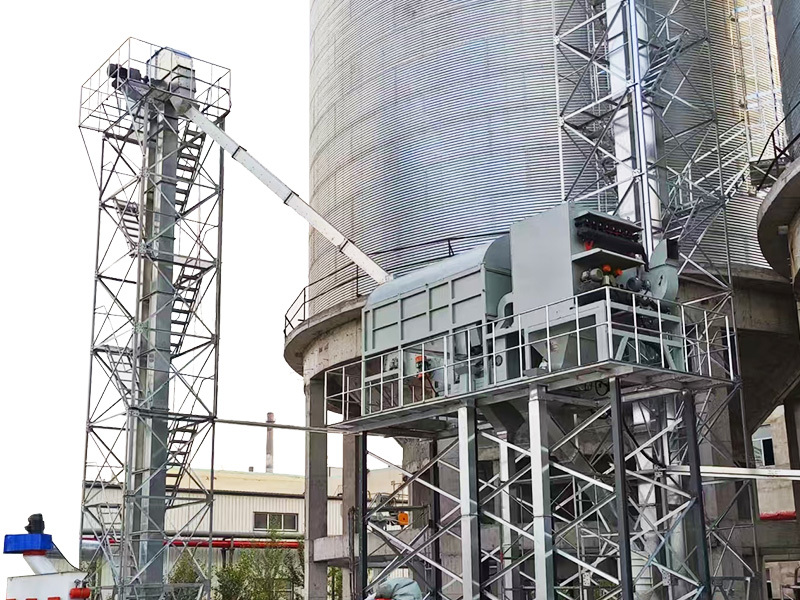
Flat bottom steel silos serve as essential storage solutions in the agricultural sector, especially for commodities like wheat. Designed to accommodate large volumes, these silos provide a safe and efficient way to store grain while minimizing spoilage. With the increasing need for effective storage systems, understanding the key features of flat bottom steel silos is crucial for farmers and agricultural businesses aiming to optimize their operations.
Benefits of Using Flat Bottom Steel Silos for Wheat
Flat bottom steel silos offer numerous advantages that make them the preferred choice for wheat storage. Below are some of the primary benefits:
1. Enhanced Durability
Constructed from high-strength steel, flat bottom silos withstand harsh environmental conditions, ensuring longevity and reduced maintenance costs over time.
2. Cost-Effectiveness
The initial investment in flat bottom steel silos may be higher than other storage options, but their durability and lower maintenance needs translate to long-term cost savings.
3. Efficient Space Utilization
These silos have a large storage capacity, making them ideal for bulk storage of wheat. Their design allows for maximum volume with minimal footprint.
4. Improved Grain Quality
Flat bottom steel silos provide controlled environments that help maintain the quality of stored wheat by minimizing exposure to moisture and pests.
Design Features of Flat Bottom Steel Silos
The design of flat bottom steel silos is pivotal in ensuring effective wheat storage. Key design features include:
1. Robust Structure
The silos are built with reinforced steel, which promotes stability and supports the weight of large quantities of wheat.
2. Aeration Systems
Effective aeration systems are integrated into the design to regulate temperature and moisture levels, preventing spoilage and maintaining grain quality.
3. Access Points
Multiple access points, such as manholes and hatches, facilitate easy loading and unloading, as well as inspection and maintenance.
4. Insulation and Temperature Control
Some flat bottom silos come equipped with insulation materials that help regulate internal temperatures, ensuring that the wheat remains in optimal condition.
Optimal Wheat Storage Conditions
To ensure the quality and longevity of stored wheat, several key factors must be considered:
1. Moisture Control
Maintaining appropriate moisture levels is critical. Ideally, the moisture content of stored wheat should not exceed 14%. Too much moisture can lead to mold and spoilage.
2. Temperature Management
The ideal temperature for wheat storage is between 60°F and 70°F. Monitoring temperature fluctuations within the silo helps prevent pest infestations and spoilage.
3. Pest Control Measures
Implementing measures such as regular inspections and the use of insecticides can help manage pest populations that threaten the stored wheat.
4. Regular Monitoring
Employing sensors and monitoring systems allows for real-time data collection on moisture, temperature, and overall grain health, facilitating prompt action when necessary.
Maintenance of Steel Silos
Regular maintenance is vital for the longevity and efficiency of flat bottom steel silos. Key maintenance practices include:
1. Routine Inspections
Conducting regular inspections helps identify potential issues early on, allowing for timely repairs and maintenance.
2. Cleaning Protocols
Regular cleaning of the silos prevents the buildup of grain residues that can attract pests and promote spoilage.
3. Structural Integrity Checks
Inspecting the structural components, such as the roof and walls, ensures that the silo remains secure and functional.
4. Aeration System Maintenance
Maintaining the aeration system is crucial for effective moisture control. Regular checks and maintenance ensure its optimal performance.
Safety Features in Flat Bottom Steel Silos
Safety is paramount in the operation of flat bottom steel silos. Essential safety features include:
1. Emergency Exit Routes
Properly designed emergency exits allow for safe evacuation in case of emergencies, enhancing worker safety.
2. Fire Suppression Systems
Incorporating fire suppression systems helps mitigate risks associated with grain dust and storage conditions.
3. Monitoring Systems
Advanced monitoring systems track both environmental conditions and structural integrity, providing alerts for any anomalies.
4. Safety Training for Workers
Regular safety training sessions educate workers on best practices and emergency procedures, promoting a culture of safety.
Innovative Technologies in Wheat Storage
The incorporation of technology in flat bottom steel silos is revolutionizing wheat storage. Key advancements include:
1. Smart Sensors
Smart sensors monitor real-time data on temperature, moisture, and grain condition, allowing for proactive management.
2. Automated Systems
Automation reduces the need for manual labor, increasing efficiency in loading and unloading processes.
3. Data Analytics Tools
Analytical tools enable better decision-making by providing insights into storage conditions and grain health.
4. Remote Monitoring Capabilities
Remote monitoring systems allow operators to oversee silo conditions from afar, enhancing operational efficiency and response times.
Frequently Asked Questions
1. What is the ideal moisture content for stored wheat?
The ideal moisture content for stored wheat should not exceed 14% to prevent spoilage and mold growth.
2. How often should flat bottom steel silos be inspected?
It's advisable to conduct inspections at least twice a year, with more frequent checks during harvest and storage seasons.
3. Can flat bottom steel silos be used for other grains?
Yes, flat bottom steel silos can be used for various grains, including barley, corn, and soybeans, with appropriate adjustments.
4. What maintenance is required for aeration systems?
Aeration systems should be checked regularly to ensure they are functioning correctly and to prevent blockages.
5. How can I improve the safety of my silo operations?
Implementing regular safety training, ensuring emergency exits are available, and using monitoring systems can greatly enhance safety.
Conclusion
Flat bottom steel silos play a pivotal role in the efficient storage of wheat, offering numerous benefits such as durability, cost-effectiveness, and improved grain quality. By understanding the key features, optimal storage conditions, maintenance practices, and safety measures, agricultural businesses can significantly enhance their wheat storage operations. As technology continues to evolve, integrating innovative solutions within these silos will further optimize storage efficiency and ensure the quality of wheat for years to come.
Tag:
Recommend Blog
Understanding Steel Storage Tanks: Essential Considerations for Transportation and Warehousing
Steel storage tanks are robust containers designed to hold liquids, gases, or solids. Their durability and strength make them an ideal choice for various applications, particularly in transportation and warehousing environments. One of the primary benefits of steel storage tanks is their ability to withstand harsh conditions, ensuring the safe and reliable storage of materials.
These tanks come i


Contact Information
Industrial Zone, Cui Miao Town, Fucheng County, Hengshui City, Hebei Province
Message feedback
Business License
Power by 300.cn | TAG | City List | Privacy