

-
About UsAn enterprise integrating R & D, design, production, sales and installation of steel plate warehouse and grain machinery and equipment can provide customers with a complete set of grain screening, drying, storage and turnover systems, as well as professional customized services, technical support, reliable spare parts supply and high-quality after-sales service

-
ProductsAn enterprise integrating R & D, design, production, sales and installation of steel plate warehouse and grain machinery and equipment can provide customers with a complete set of grain screening, drying, storage and turnover systems, as well as professional customized services, technical support, reliable spare parts supply and high-quality after-sales service
-
BlogAn enterprise integrating R & D, design, production, sales and installation of steel plate warehouse and grain machinery and equipment can provide customers with a complete set of grain screening, drying, storage and turnover systems, as well as professional customized services, technical support, reliable spare parts supply and high-quality after-sales service
-
Service SupportAn enterprise integrating R & D, design, production, sales and installation of steel plate warehouse and grain machinery and equipment can provide customers with a complete set of grain screening, drying, storage and turnover systems, as well as professional customized services, technical support, reliable spare parts supply and high-quality after-sales service
Protect Every Harvest with a Smarter Paddy grain storage silo
Secure Storage for Better Grain Quality
After months of cultivation, every harvest represents valuable time, labor, and investment. Without suitable storage, paddy can lose quality through moisture, pests, contamination, and unstable environmental conditions. A Paddy grain storage silo provides a structured solution for storing harvested grain safely and efficiently. Designed for agricultural producers, rice mills, grain distributors, and commercial storage facilities, it creates a dedicated space for handling large quantities of paddy. By improving storage organization and reducing exposure to external risks, a suitable silo helps businesses protect their harvest and maintain a more dependable supply chain.
Strong Structure, Reliable Protection
The core value of a Paddy grain storage silo lies in its ability to combine capacity, protection, and operational efficiency. Quality silos are commonly designed with durable materials and a stable structure to withstand demanding agricultural environments. Their enclosed design helps limit exposure to rain, dust, birds, and other contaminants. Depending on the configuration, ventilation and temperature monitoring systems can support better grain management. These features help operators identify potential storage risks earlier and take timely action. Compared with scattered bags or temporary storage areas, a Paddy grain storage silo offers a more organized and scalable method for protecting valuable grain.
Flexible Capacity for Growing Operations
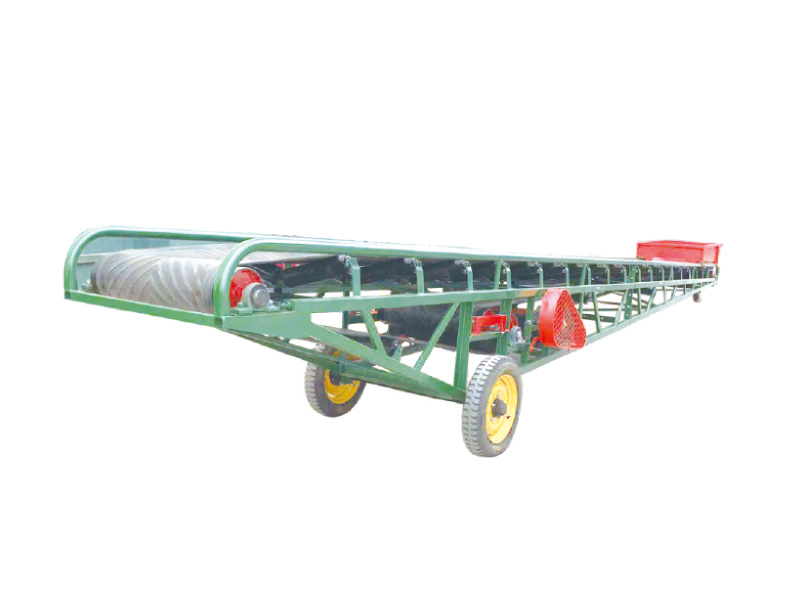
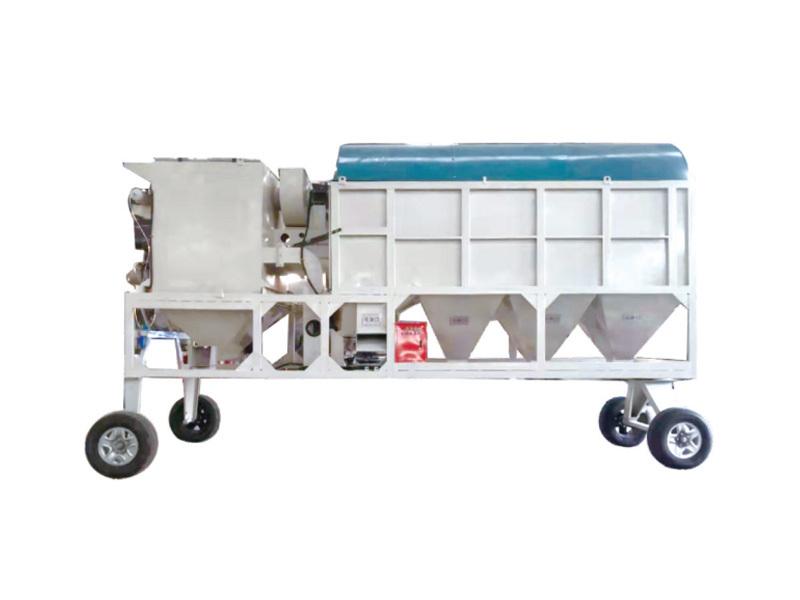
Every grain business has different storage requirements. A small rice processor may need a compact silo for seasonal inventory, while a large agricultural enterprise may require multiple units for continuous receiving and distribution. A Paddy grain storage silo can be selected according to storage capacity, site conditions, grain handling processes, and future expansion plans. Different sizes and configurations make it easier to develop a storage system that matches actual production needs. When integrated with conveyors, elevators, cleaning equipment, or drying systems, the silo can become part of a complete post-harvest solution. This flexibility helps reduce handling difficulties and supports smoother daily operations.
Solving Common Post-Harvest Challenges
Paddy storage involves more than simply placing grain inside a container. Excess moisture, poor airflow, temperature changes, and delayed handling can increase the risk of spoilage and quality loss. A properly planned Paddy grain storage silo helps operators establish a more controlled storage environment. With suitable drying before storage, regular monitoring, and effective aeration, businesses can reduce preventable losses and maintain better grain conditions. The silo also makes inventory management easier by providing a defined storage location and improving loading and unloading efficiency. For companies facing limited warehouse space, rising labor costs, or inconsistent grain quality, this solution can improve productivity while supporting long-term cost control.
Practical Applications and Lasting Value
Consider a rice mill that receives large volumes of paddy during the harvest season. Traditional bag storage may occupy extensive floor space, require frequent manual handling, and make inventory tracking difficult. By installing a Paddy grain storage silo, the mill can organize incoming grain more efficiently and connect storage with drying, processing, and transportation systems. Agricultural cooperatives can also use silos to centralize grain storage and improve distribution after harvest. For grain traders, reliable storage helps maintain inventory availability and respond to market demand more confidently. Choosing the right Paddy grain storage silo means considering capacity, construction quality, ventilation, monitoring, maintenance, and compatibility with existing equipment. With proper planning and management, a silo becomes more than a storage container: it is a practical investment in grain quality, operational efficiency, and business growth.
Tag:
Previous Page
Previous Page:
Recommend Blog
Protect Every Harvest with a Smarter Paddy grain storage silo

Contact Information
Industrial Zone, Cui Miao Town, Fucheng County, Hengshui City, Hebei Province
Message feedback
Power by 300.cn | TAG | City List | Privacy