

-
About UsAn enterprise integrating R & D, design, production, sales and installation of steel plate warehouse and grain machinery and equipment can provide customers with a complete set of grain screening, drying, storage and turnover systems, as well as professional customized services, technical support, reliable spare parts supply and high-quality after-sales service

-
ProductsAn enterprise integrating R & D, design, production, sales and installation of steel plate warehouse and grain machinery and equipment can provide customers with a complete set of grain screening, drying, storage and turnover systems, as well as professional customized services, technical support, reliable spare parts supply and high-quality after-sales service
-
BlogAn enterprise integrating R & D, design, production, sales and installation of steel plate warehouse and grain machinery and equipment can provide customers with a complete set of grain screening, drying, storage and turnover systems, as well as professional customized services, technical support, reliable spare parts supply and high-quality after-sales service
-
Service SupportAn enterprise integrating R & D, design, production, sales and installation of steel plate warehouse and grain machinery and equipment can provide customers with a complete set of grain screening, drying, storage and turnover systems, as well as professional customized services, technical support, reliable spare parts supply and high-quality after-sales service
The Impact of Mobile Telescopic Conveyors on Warehouse Safety: Enhancing Efficiency and Reducing Risks
The Impact of Mobile Telescopic Conveyors on Warehouse Safety
Table of Contents
1. Introduction to Mobile Telescopic Conveyors
2. Key Benefits of Mobile Telescopic Conveyors in Warehousing
1. Enhancing Operational Efficiency
2. Improving Worker Safety
3. Potential Safety Challenges and Solutions
4. Case Studies: Real-World Applications
5. Best Practices for Implementing Mobile
The Impact of Mobile Telescopic Conveyors on Warehouse Safety
Table of Contents
1. Introduction to Mobile Telescopic Conveyors
2. Key Benefits of Mobile Telescopic Conveyors in Warehousing
1. Enhancing Operational Efficiency
2. Improving Worker Safety
3. Potential Safety Challenges and Solutions
4. Case Studies: Real-World Applications
5. Best Practices for Implementing Mobile Telescopic Conveyors
6. Future Trends in Warehouse Automation and Safety
7. Frequently Asked Questions
8. Conclusion
Introduction to Mobile Telescopic Conveyors
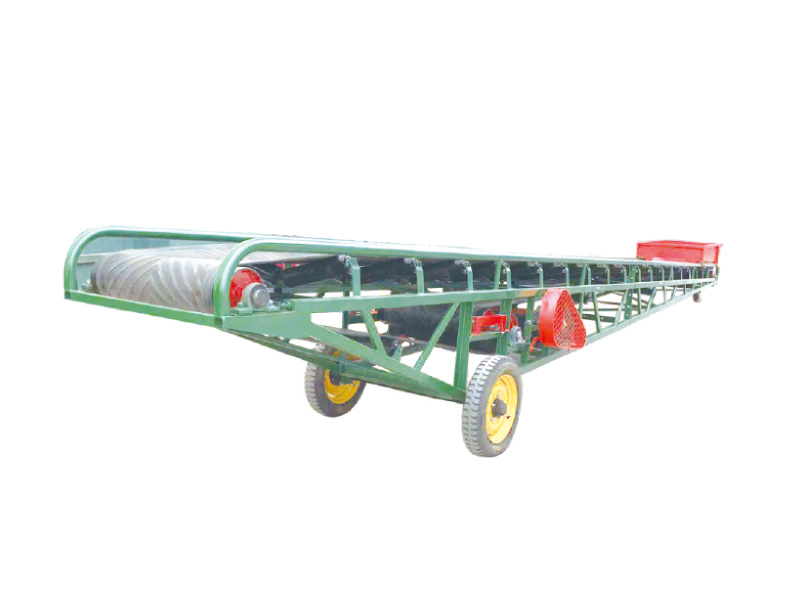
In the fast-paced world of logistics and warehousing, the demand for efficient material handling solutions is ever-increasing. **Mobile telescopic conveyors** have emerged as a pivotal technology, revolutionizing the way goods are moved and handled within a warehouse environment. These conveyors extend and retract, allowing for optimal loading and unloading processes at various heights and distances. As a result, they significantly improve safety and productivity, making them a desirable choice for modern warehouses.
Key Benefits of Mobile Telescopic Conveyors in Warehousing
Mobile telescopic conveyors offer numerous advantages that directly impact warehouse safety and efficiency. Understanding these benefits is essential for warehouse managers and safety officers looking to enhance their operations.
Enhancing Operational Efficiency
One of the primary benefits of mobile telescopic conveyors is their ability to improve **operational efficiency**. By allowing for the seamless transfer of goods from trucks to storage areas, these conveyors reduce the time spent on manual handling. This increased speed leads to:
- **Faster Load and Unloading Times**: Mobile telescopic conveyors can be positioned directly at the truck's height, enabling quicker loading and unloading.
- **Decreased Labor Costs**: With automation, fewer workers are needed for manual handling, allowing companies to allocate resources more effectively.
- **Improved Space Utilization**: The ability to adjust the conveyor's length means that warehouses can optimize their layout, reducing bottlenecks and maximizing storage capacity.
Improving Worker Safety
Worker safety is paramount in any industrial environment. Mobile telescopic conveyors contribute significantly to reducing workplace injuries by:
- **Minimizing Manual Handling**: Manual lifting and carrying are common causes of injuries in warehouses. Telescopic conveyors eliminate much of this physical exertion.
- **Reducing Slip and Fall Hazards**: The stable and adjustable nature of these conveyors decreases the likelihood of accidents associated with uneven surfaces or improper lifting techniques.
- **Enhancing Ergonomics**: By providing a mechanical means to elevate and transport goods, these conveyors help maintain better posture and reduce strain on workers.
Potential Safety Challenges and Solutions
While mobile telescopic conveyors offer numerous benefits, they are not without challenges. Addressing these potential safety risks is crucial for maintaining a secure warehouse environment.
- **Equipment Failure**: Regular maintenance and inspections are essential to prevent breakdowns. Implementing a routine check-up schedule ensures that the conveyors remain in optimal working condition.
- **Operator Training**: Proper training for employees is vital. Workers should understand how to operate the conveyors safely and be aware of potential hazards. Training sessions should include hands-on practice and safety protocols.
- **Workplace Layout**: The placement of telescopic conveyors should be strategically planned to avoid congestion and ensure that workers can move freely around the equipment.
Case Studies: Real-World Applications
Examining successful implementations of mobile telescopic conveyors can provide valuable insights into their advantages.
- **Case Study 1**: A large retail distribution center adopted mobile telescopic conveyors to streamline its operations. By reducing manual handling, the center reported a **30% decrease in workplace injuries** and significantly improved loading times.
- **Case Study 2**: An automotive parts warehouse implemented telescopic conveyors to enhance their shipping efficiency. The result was a **40% increase in productivity**, along with a safer working environment where the risk of accidents was drastically lowered.
Best Practices for Implementing Mobile Telescopic Conveyors
To maximize the benefits of mobile telescopic conveyors, warehouses should adopt the following best practices:
1. **Conduct a Thorough Needs Assessment**: Determine the specific requirements of your warehouse operation before selecting conveyor models.
2. **Prioritize Employee Training**: Ensure all employees handling the equipment receive comprehensive training on operation and safety practices.
3. **Implement Regular Maintenance Protocols**: Schedule regular maintenance checks to promptly identify and address wear and tear on the equipment.
4. **Design a Safe Work Environment**: Organize workspace layout to minimize congestion and ensure clear pathways around the conveyors.
Future Trends in Warehouse Automation and Safety
As technology continues to evolve, mobile telescopic conveyors will likely integrate with **smart warehouse systems**. Future trends may include:
- **IoT Integration**: Internet of Things (IoT) technology could allow for real-time monitoring of conveyor systems, enhancing safety and operational efficiency.
- **Advanced Robotics**: The collaboration of telescopic conveyors with automated guided vehicles (AGVs) will create a more streamlined and safe logistics environment.
- **Data Analytics**: Utilizing data analytics will help warehouses predict maintenance needs and optimize conveyor usage.
Frequently Asked Questions
1. **What are mobile telescopic conveyors used for?**
Mobile telescopic conveyors are primarily used for loading and unloading materials in warehouses, ports, and distribution centers.
2. **How do mobile telescopic conveyors improve safety in warehouses?**
These conveyors minimize manual handling, reduce the risk of slips and falls, and enhance ergonomics, leading to a safer work environment.
3. **What maintenance is required for mobile telescopic conveyors?**
Regular inspections, lubrication of moving parts, and checks for wear and tear are crucial to keep the conveyors operating safely and efficiently.
4. **Are mobile telescopic conveyors suitable for all types of warehouses?**
Yes, they can be adapted for various warehouse environments, but it’s essential to assess specific operational needs before implementation.
5. **How can I train my staff to use mobile telescopic conveyors safely?**
Implement comprehensive training programs that include both theoretical and hands-on instruction on operating the conveyors and adhering to safety protocols.
Conclusion
Mobile telescopic conveyors have proven to be a game-changer in enhancing warehouse safety and operational efficiency. By minimizing manual handling, reducing workplace injuries, and optimizing loading and unloading processes, these conveyors are integral to modern logistics. As warehouses continue to embrace automation, the future of mobile telescopic conveyors looks promising, offering even greater advancements in safety and efficiency. Investing in this technology not only enhances productivity but also safeguards the well-being of employees, creating a more sustainable and efficient workplace.
Tag:
Recommend Blog
Flat bottom steel silos are an integral part of modern warehousing and transportation logistics, particularly in the storage of bulk materials. These silos are designed to provide efficient and secure storage solutions for a variety of materials, including grains, powders, and aggregates. Their structure, characterized by a flat bottom, allows for easy loading and unloading, making them a preferre


Contact Information
Industrial Zone, Cui Miao Town, Fucheng County, Hengshui City, Hebei Province
Message feedback
Business License
Power by 300.cn | TAG | City List | Privacy