

-
About UsAn enterprise integrating R & D, design, production, sales and installation of steel plate warehouse and grain machinery and equipment can provide customers with a complete set of grain screening, drying, storage and turnover systems, as well as professional customized services, technical support, reliable spare parts supply and high-quality after-sales service

-
ProductsAn enterprise integrating R & D, design, production, sales and installation of steel plate warehouse and grain machinery and equipment can provide customers with a complete set of grain screening, drying, storage and turnover systems, as well as professional customized services, technical support, reliable spare parts supply and high-quality after-sales service
-
BlogAn enterprise integrating R & D, design, production, sales and installation of steel plate warehouse and grain machinery and equipment can provide customers with a complete set of grain screening, drying, storage and turnover systems, as well as professional customized services, technical support, reliable spare parts supply and high-quality after-sales service
-
Service SupportAn enterprise integrating R & D, design, production, sales and installation of steel plate warehouse and grain machinery and equipment can provide customers with a complete set of grain screening, drying, storage and turnover systems, as well as professional customized services, technical support, reliable spare parts supply and high-quality after-sales service
The Environmental Benefits of Using Feed Storage Towers in Warehousing
The Environmental Benefits of Using Feed Storage Towers in Warehousing
Introduction to Feed Storage Towers
In the modern warehousing landscape, **feed storage towers** represent a transformative solution for managing inventory, particularly in the agricultural and animal feed industries. These structures are designed to optimize the storage of bulk feed, ensuring that it remains safe, accessib
The Environmental Benefits of Using Feed Storage Towers in Warehousing
Introduction to Feed Storage Towers
In the modern warehousing landscape, **feed storage towers** represent a transformative solution for managing inventory, particularly in the agricultural and animal feed industries. These structures are designed to optimize the storage of bulk feed, ensuring that it remains safe, accessible, and environmentally responsible. With increasing awareness of sustainability and eco-friendly practices, understanding the environmental benefits of feed storage towers is essential for businesses looking to enhance their operational efficiency while minimizing their ecological impact.
1. What are Feed Storage Towers?
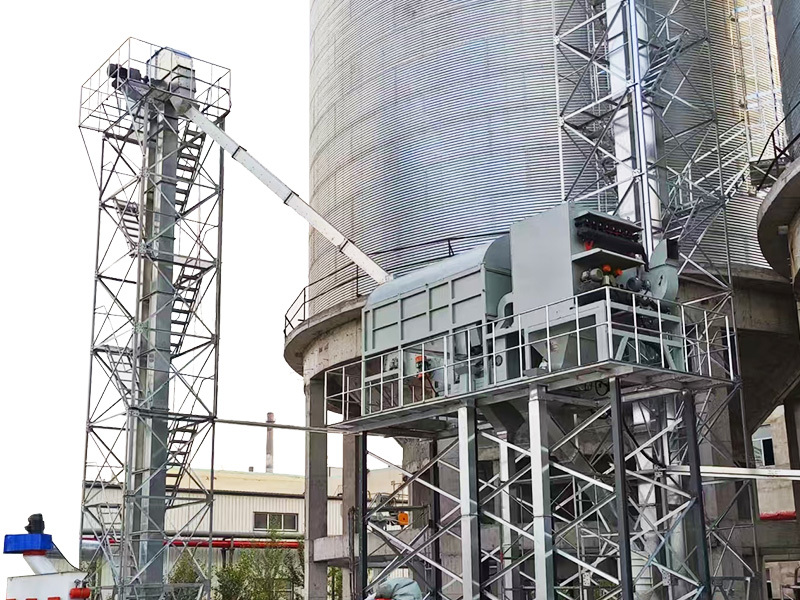
Feed storage towers are vertical silos or bins specifically engineered to store bulk feed materials. They are typically made from durable materials like steel or reinforced concrete, designed to withstand environmental stresses and ensure long-term durability. These towers help maintain feed quality by protecting it from moisture, pests, and contamination, which is crucial for ensuring safe and effective animal nutrition.
1.1 Key Features of Feed Storage Towers
- **Efficient Space Utilization**: Their vertical design allows warehouses to maximize storage capacity without requiring extensive floor space.
- **Enhanced Durability**: Made from high-quality materials, feed storage towers are built to last, providing a long-term storage solution.
- **Controlled Environment**: Many modern towers include climate control features that help maintain optimal storage conditions, further protecting feed quality.
2. Environmental Advantages of Feed Storage Towers
The shift towards using feed storage towers is not only a matter of operational efficiency; it also aligns with global sustainability goals. Here are several key environmental benefits associated with these storage solutions:
2.1 Waste Reduction
Implementing feed storage towers significantly reduces feed waste. Traditional storage methods often lead to spoilage due to exposure to air and moisture. By containing feed in a controlled environment, these towers minimize degradation and loss, allowing more feed to be utilized effectively. This reduction in waste directly correlates to decreased resource consumption, as less feed needs to be produced to meet the same demand.
2.2 Lower Carbon Footprint
The logistics and transportation processes involved in feed distribution contribute significantly to greenhouse gas emissions. Feed storage towers streamline these processes by allowing bulk storage on-site, reducing the frequency of deliveries needed. This not only leads to fewer transportation-related emissions but also lessens the overall carbon footprint associated with feed production and distribution.
2.3 Resource Efficiency
Feed storage towers optimize the use of resources throughout the supply chain. By minimizing spoilage and waste, businesses can achieve better resource efficiency, from raw material sourcing to transportation. Additionally, the storage towers enable better inventory management, ensuring that feed is used before expiration, further enhancing resource efficiency.
2.4 Ecosystem Protection
By reducing the need for land conversion for agricultural practices, feed storage towers play a role in protecting natural ecosystems. When feed is stored more efficiently, there is less pressure to expand agricultural land, which often leads to deforestation and habitat destruction. Maintaining existing ecosystems is crucial for biodiversity conservation.
3. Enhancing Feed Quality with Storage Towers
The quality of feed directly impacts animal health and productivity, which in turn affects agricultural outputs and sustainability. Feed storage towers help preserve feed quality through:
3.1 Moisture Control
Excess moisture can lead to mold growth and spoilage. Feed storage towers are designed to minimize moisture exposure, helping to maintain quality and safety. This not only protects the feed but also ensures that animals receive the nutrients they need for optimal health.
3.2 Pest Prevention
Traditional feed storage methods often attract pests, which can compromise feed quality and lead to significant losses. Feed storage towers provide a secure environment that deters pests, thereby safeguarding the feed from contamination and spoilage.
3.3 Temperature Regulation
Many modern feed storage towers include temperature control systems that help manage climate conditions within the tower. This regulation is vital for preventing spoilage and ensuring that feed remains fresh and nutritious for animals.
4. The Role of Technology in Feed Storage Solutions
Advancements in technology have greatly improved the functionality and efficiency of feed storage towers. Here’s how technology enhances environmental benefits:
4.1 Smart Monitoring Systems
Integrating smart technology into feed storage towers allows for real-time monitoring of conditions such as temperature and humidity. These systems can send alerts to operators when conditions deviate from optimal levels, allowing for immediate corrective actions to maintain feed quality and reduce waste.
4.2 Automation for Efficiency
Automated systems for loading and unloading feed can further enhance the efficiency of storage operations. By reducing human error and improving speed, these systems contribute to decreased energy consumption and operational costs.
5. Case Studies: Successful Implementations of Feed Storage Towers
Examining real-world examples can provide valuable insights into the environmental benefits of feed storage towers. Here are a few notable cases:
5.1 Case Study: Eco-Farm Innovations
Eco-Farm Innovations implemented feed storage towers to enhance their storage capacities. Within a year, they reported a **30% reduction in feed waste** and a **25% decrease in transportation emissions**, illustrating that strategic storage can significantly impact sustainability.
5.2 Case Study: Green Pastures Feed Co.
Green Pastures Feed Co. invested in state-of-the-art feed storage towers and integrated smart monitoring technology. They experienced improved feed quality and a **20% increase in operational efficiency**, showcasing how technology and infrastructure can work in tandem for environmental benefits.
6. Challenges and Considerations When Implementing Feed Storage Towers
While feed storage towers offer numerous benefits, there are challenges to consider before implementation:
6.1 Initial Investment Costs
The upfront costs associated with purchasing and installing feed storage towers may be significant, which can deter some businesses. However, the long-term savings in waste reduction and improved efficiency often justify this initial investment.
6.2 Space Limitations
Although feed storage towers are designed to optimize vertical space, some facilities may still face space constraints. Careful planning and assessment of site capabilities are essential to ensure successful implementation.
7. Future Trends in Feed Storage Technology
As the demand for sustainable practices grows, the future of feed storage technology looks promising. Emerging trends include:
7.1 Sustainable Materials
The development of eco-friendly materials for constructing feed storage towers is on the rise. Companies are exploring biodegradable options that reduce the environmental impact of storage infrastructure.
7.2 Integration with Renewable Energy Sources
There is a growing trend towards integrating renewable energy sources, such as solar panels, into feed storage operations. This reduces reliance on fossil fuels and enhances the sustainability of the storage process.
8. Conclusion: The Path Forward for Sustainable Warehousing
Feed storage towers present a compelling solution for warehousing in the agricultural sector, significantly contributing to environmental sustainability. From waste reduction and lower carbon footprints to enhanced feed quality and resource efficiency, the benefits are clear. As technology continues to evolve, so too will the capabilities of these storage solutions, paving the way for a more sustainable future in logistics and warehousing. Embracing feed storage towers not only aligns with corporate responsibility goals but also positions businesses at the forefront of the green revolution in warehousing.
FAQs
1. What are feed storage towers used for?
Feed storage towers are used to store bulk feed materials in a controlled environment, protecting them from spoilage and contamination.
2. How do feed storage towers reduce waste?
By minimizing exposure to air and moisture, feed storage towers help maintain feed quality, reducing spoilage and waste.
3. Can feed storage towers improve operational efficiency?
Yes, feed storage towers allow for better inventory management and reduce transportation frequency, leading to enhanced operational efficiency.
4. What technologies are used in modern feed storage towers?
Modern towers may include smart monitoring systems and automation technologies to optimize storage and enhance feed quality.
5. Are there any challenges to implementing feed storage towers?
Challenges may include the initial investment costs and space limitations, which should be carefully assessed before implementation.
Tag:
Recommend Blog
Understanding Steel Storage Tanks: Essential Considerations for Transportation and Warehousing
Steel storage tanks are robust containers designed to hold liquids, gases, or solids. Their durability and strength make them an ideal choice for various applications, particularly in transportation and warehousing environments. One of the primary benefits of steel storage tanks is their ability to withstand harsh conditions, ensuring the safe and reliable storage of materials.
These tanks come i


Contact Information
Industrial Zone, Cui Miao Town, Fucheng County, Hengshui City, Hebei Province
Message feedback
Business License
Power by 300.cn | TAG | City List | Privacy