

-
About UsAn enterprise integrating R & D, design, production, sales and installation of steel plate warehouse and grain machinery and equipment can provide customers with a complete set of grain screening, drying, storage and turnover systems, as well as professional customized services, technical support, reliable spare parts supply and high-quality after-sales service

-
ProductsAn enterprise integrating R & D, design, production, sales and installation of steel plate warehouse and grain machinery and equipment can provide customers with a complete set of grain screening, drying, storage and turnover systems, as well as professional customized services, technical support, reliable spare parts supply and high-quality after-sales service
-
BlogAn enterprise integrating R & D, design, production, sales and installation of steel plate warehouse and grain machinery and equipment can provide customers with a complete set of grain screening, drying, storage and turnover systems, as well as professional customized services, technical support, reliable spare parts supply and high-quality after-sales service
-
Service SupportAn enterprise integrating R & D, design, production, sales and installation of steel plate warehouse and grain machinery and equipment can provide customers with a complete set of grain screening, drying, storage and turnover systems, as well as professional customized services, technical support, reliable spare parts supply and high-quality after-sales service
Maximizing Efficiency: The Role of Paddy Grain Storage Silos in Modern Agriculture
Maximizing Efficiency: The Role of Paddy Grain Storage Silos in Modern Agriculture
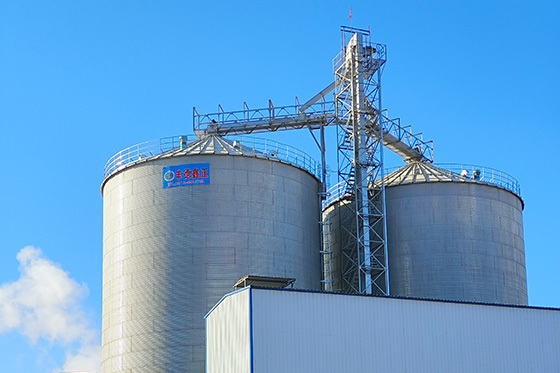
In an ever-evolving agricultural landscape, the importance of effective storage solutions cannot be overstated. **Paddy grain storage silos** have emerged as vital components in the supply chain of rice production, playing a significant role in both preserving the quality of the grains and optimizing storage capacity. In this article, we will explore the multifaceted benefits of paddy grain storage silos, their operational mechanisms, and best practices to ensure maximum efficiency.
Table of Contents
- 1. Introduction to Paddy Grain Storage Silos
- 2. Benefits of Using Paddy Grain Storage Silos
- 3. Functions of Paddy Grain Storage Silos
- 4. Types of Paddy Grain Storage Silos
- 5. Best Practices for Maximizing Storage Efficiency
- 6. Maintenance of Paddy Grain Storage Silos
- 7. Technological Advancements in Grain Storage
- 8. Case Studies: Successful Implementation of Silos
- 9. Frequently Asked Questions
- 10. Conclusion
1. Introduction to Paddy Grain Storage Silos
As rice is one of the most widely consumed staple foods globally, the effective storage of paddy grain is critical. **Paddy grain storage silos** are specially designed facilities that protect grains from pests, moisture, and temperature variations. These silos not only ensure the quality of rice but also contribute significantly to the agricultural economy by facilitating better supply chain management.
2. Benefits of Using Paddy Grain Storage Silos
2.1 Enhanced Quality Preservation
One of the primary functions of paddy grain storage silos is to maintain the quality of the stored grain. The controlled environment within silos minimizes exposure to pests and moisture, which can lead to spoilage. This quality preservation translates to better market prices and increased consumer satisfaction.
2.2 Increased Storage Capacity
Paddy grain silos offer significant storage capacity compared to traditional methods. With their vertical design, these silos utilize space more efficiently, allowing farmers to store larger quantities of grain without requiring extensive land areas.
2.3 Cost Efficiency
Using silos reduces the costs associated with spoilage and waste. By protecting the grains effectively, farmers can minimize losses and increase profitability. Additionally, silos enable farmers to store their harvest and sell it at optimal market prices rather than being forced to sell immediately post-harvest.
2.4 Flexibility in Supply Chain Management
Storage silos provide farmers with the flexibility to manage their inventory effectively. They can store grains during peak harvest times and release them gradually into the market, thus stabilizing prices and ensuring a steady income stream.
3. Functions of Paddy Grain Storage Silos
3.1 Temperature and Humidity Control
Modern paddy grain storage silos incorporate advanced technology to regulate temperature and humidity levels. These features are crucial in preventing the growth of molds and fungi, which can significantly compromise grain quality.
3.2 Pest Control Mechanisms
Many silos come equipped with pest control systems, including seals and aeration methods that deter insects and rodents. This aspect is essential for maintaining the integrity of the stored grain.
3.3 Aeration Systems
Aeration is a fundamental function of grain storage silos, facilitating the circulation of air. Proper aeration helps maintain even temperature and moisture levels throughout the stored grain, preventing hot spots that could lead to spoilage.
4. Types of Paddy Grain Storage Silos
4.1 Steel Silos
Steel silos are known for their durability and long lifespan. They are ideal for large-scale storage due to their robust construction, which can withstand harsh environmental conditions.
4.2 Concrete Silos
Concrete silos are advantageous for their insulation properties. They are excellent for temperature regulation but are generally less flexible in terms of relocation compared to steel silos.
4.3 Fabric Silos
Fabric silos are a more recent innovation, offering a lightweight and portable solution for grain storage. They are less expensive and can be deployed quickly, making them an attractive option for smaller farms.
5. Best Practices for Maximizing Storage Efficiency
5.1 Regular Monitoring
To ensure optimal conditions within storage silos, regular monitoring is essential. Farmers should check temperature, humidity, and pest activity frequently to address potential issues proactively.
5.2 Proper Loading Techniques
Loading grain into silos should be done carefully to prevent damage. Following proper loading techniques ensures an even distribution of weight and minimizes the risk of grain degradation.
5.3 Cleaning and Maintenance
Keeping silos clean is vital to avoid contamination. Regular cleaning and maintenance should be scheduled to ensure that grain remains uncontaminated throughout the storage period.
6. Maintenance of Paddy Grain Storage Silos
6.1 Inspection of Structural Integrity
Regular inspections of the structural integrity of silos are necessary to identify potential weaknesses or damages. Addressing these issues promptly can prevent larger problems in the future.
6.2 Upkeep of Aeration Systems
Aeration systems require routine checks and maintenance to function effectively. Ensuring that fans and ducts are clean and operational will enhance the air circulation within the silo.
6.3 Pest Control Measures
Implementing effective pest control measures is crucial for the longevity of stored grains. Quarterly inspections for pest activity and timely interventions can protect the integrity of the grain.
7. Technological Advancements in Grain Storage
The advancement of technology in grain storage has revolutionized the way farmers manage paddy grain. Smart silos equipped with IoT sensors can provide real-time data on temperature, humidity, and pest activity. This data-driven approach allows for timely interventions and optimizes the storage environment, ensuring that stored grains maintain their quality and value.
Additionally, advancements in automation have streamlined the loading and unloading processes, reducing labor costs and time. These technologies not only enhance efficiency but also contribute to sustainable farming practices by minimizing waste and optimizing resource use.
8. Case Studies: Successful Implementation of Silos
8.1 Case Study 1: Large-Scale Rice Producer
A large-scale rice producer in Southeast Asia implemented a series of steel silos to enhance their storage capacity. By integrating advanced aeration and temperature control systems, they managed to reduce grain spoilage by 30%, significantly increasing their profitability. This case exemplifies how investing in modern silos can amplify operational efficiency.
8.2 Case Study 2: Smallholder Farmers
A cooperative of smallholder farmers adopted portable fabric silos to store their paddy grain. This solution allowed them to store grains easily after harvest, giving them the flexibility to sell when market prices were favorable. The implementation of these silos resulted in a 25% increase in their annual income, showcasing the adaptability of modern storage solutions for smaller operations.
9. Frequently Asked Questions
9.1 What is the capacity of a typical paddy grain storage silo?
The capacity can vary significantly, ranging from a few tons for smaller silos to several thousand tons for large industrial silos.
9.2 How do I choose the right silo for my needs?
Consider factors such as the scale of storage required, the type of grain, budget, and whether you need mobility or fixed installations.
9.3 What maintenance is required for grain storage silos?
Regular inspections, cleaning, pest control measures, and aeration system maintenance are crucial for ensuring optimal performance.
9.4 Can silos prevent pest infestations?
While silos can significantly reduce the risk of pest infestations through controlled environments and sealed designs, regular monitoring and pest management strategies are still necessary.
9.5 What technological features are available in modern silos?
Modern silos come equipped with IoT sensors, temperature and humidity control systems, and automated loading and unloading mechanisms, enhancing overall efficiency.
10. Conclusion
Paddy grain storage silos play an indispensable role in modern agriculture, providing solutions that enhance efficiency, preserve quality, and optimize the supply chain. By understanding the various types of silos, their benefits, and best practices for effective storage, farmers can significantly improve their operations. Embracing technological advancements further amplifies these benefits, paving the way for a sustainable and profitable agricultural future.
Tag:
Recommend Blog
Maximizing Efficiency: The Role of Paddy Grain Storage Silos in Modern Agriculture

Contact Information
Industrial Zone, Cui Miao Town, Fucheng County, Hengshui City, Hebei Province
Message feedback
Power by 300.cn | TAG | City List | Privacy