

-
About UsAn enterprise integrating R & D, design, production, sales and installation of steel plate warehouse and grain machinery and equipment can provide customers with a complete set of grain screening, drying, storage and turnover systems, as well as professional customized services, technical support, reliable spare parts supply and high-quality after-sales service

-
ProductsAn enterprise integrating R & D, design, production, sales and installation of steel plate warehouse and grain machinery and equipment can provide customers with a complete set of grain screening, drying, storage and turnover systems, as well as professional customized services, technical support, reliable spare parts supply and high-quality after-sales service
-
BlogAn enterprise integrating R & D, design, production, sales and installation of steel plate warehouse and grain machinery and equipment can provide customers with a complete set of grain screening, drying, storage and turnover systems, as well as professional customized services, technical support, reliable spare parts supply and high-quality after-sales service
-
Service SupportAn enterprise integrating R & D, design, production, sales and installation of steel plate warehouse and grain machinery and equipment can provide customers with a complete set of grain screening, drying, storage and turnover systems, as well as professional customized services, technical support, reliable spare parts supply and high-quality after-sales service
Innovative Wheat Storage: The Advantages of Flat Bottom Steel Silos
Innovative Wheat Storage: The Advantages of Flat Bottom Steel Silos
Table of Contents
1. Introduction to Wheat Storage Innovations
2. The Benefits of Flat Bottom Steel Silos
2.1 Durability and Longevity
2.2 Efficiency in Grain Handling
2.3 Space Optimization
2.4 Enhanced Safety Features
2.5 Environmental Benefits
3. Types of Flat Bottom Steel Silos
Innovative Wheat Storage: The Advantages of Flat Bottom Steel Silos
Table of Contents
- 1. Introduction to Wheat Storage Innovations
- 2. The Benefits of Flat Bottom Steel Silos
- 2.1 Durability and Longevity
- 2.2 Efficiency in Grain Handling
- 2.3 Space Optimization
- 2.4 Enhanced Safety Features
- 2.5 Environmental Benefits
- 3. Types of Flat Bottom Steel Silos
- 4. Installation and Maintenance Tips
- 5. Cost-Effectiveness of Flat Bottom Steel Silos
- 6. The Future of Wheat Storage Solutions
- 7. Frequently Asked Questions
- 8. Conclusion
1. Introduction to Wheat Storage Innovations
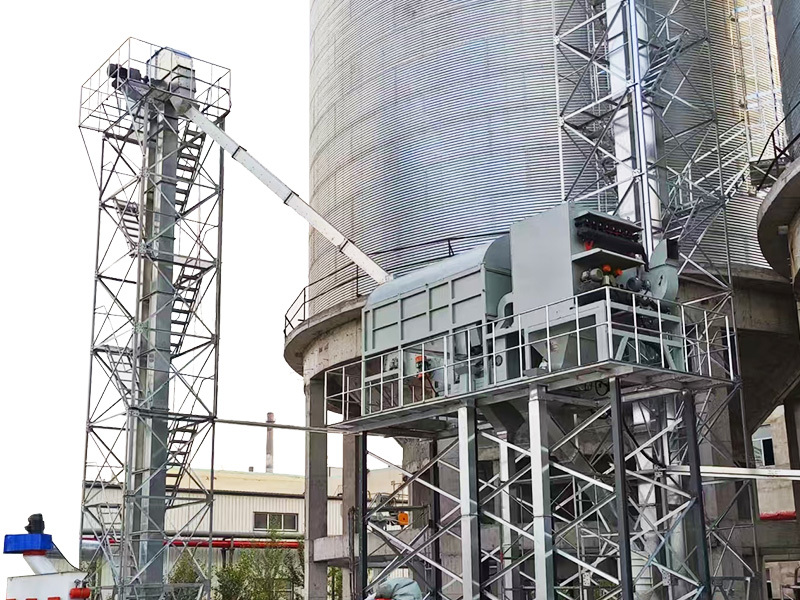
As the global population continues to grow, the need for efficient storage solutions for agricultural products, particularly wheat, is more critical than ever. **Flat bottom steel silos** have emerged as a revolutionary approach to solving storage challenges in modern agriculture. By adopting these innovative structures, farmers can optimize their wheat storage, ensuring higher quality, better management, and increased profitability.
2. The Benefits of Flat Bottom Steel Silos
Flat bottom steel silos offer a multitude of advantages over traditional storage methods. Below, we delve into the remarkable benefits that make them the preferred choice for wheat storage.
2.1 Durability and Longevity
One of the significant advantages of flat bottom steel silos is their **durability**. Made from high-quality steel, these silos can withstand various environmental conditions, including harsh weather, pests, and corrosion. Unlike wooden or concrete alternatives, steel silos exhibit a longer lifespan, reducing the need for frequent replacements. This longevity translates into cost savings for farmers and ensures consistent storage capabilities over the years.
2.2 Efficiency in Grain Handling
Flat bottom steel silos are designed for **efficient grain handling**. The smooth and uniform structure allows gravity to facilitate the flow of wheat, minimizing the risk of clumping and spoilage. Moreover, these silos can be equipped with advanced aeration systems, promoting proper airflow and moisture control. This efficiency not only preserves the quality of the wheat but also streamlines loading and unloading processes, saving time and labor costs.
2.3 Space Optimization
In agricultural operations, **space optimization** is crucial. Flat bottom steel silos feature a compact design, allowing for maximum storage capacity in a limited footprint. This efficient use of space enables farmers to store larger quantities of wheat without the need for extensive land expansion. Additionally, the uniform shape allows for easier integration into existing farm layouts, making it a practical choice for various agricultural setups.
2.4 Enhanced Safety Features
Safety is a paramount concern in any storage environment. Flat bottom steel silos incorporate several **enhanced safety features** that protect both the stored grain and the personnel working around them. Built-in monitoring systems can detect temperature fluctuations and moisture levels, ensuring that the wheat remains in optimal condition. Furthermore, the robust design minimizes the risk of structural failure, providing peace of mind to farmers regarding their investments.
2.5 Environmental Benefits
Adopting flat bottom steel silos also contributes to **environmental sustainability**. These silos are often constructed using recyclable materials, reducing the environmental footprint of their production. Additionally, their efficiency in controlling grain conditions leads to lower waste and spoilage rates, promoting responsible agricultural practices. By choosing steel silos, farmers are not only investing in their operations but also supporting a more sustainable agricultural future.
3. Types of Flat Bottom Steel Silos
When considering flat bottom steel silos for wheat storage, it’s essential to understand the various types available. Each type serves different needs and operational scales.
3.1 Bins for Large-Scale Operations
For large agribusinesses, high-capacity steel silos are ideal. These bins can hold thousands of tons of wheat, making them suitable for commercial grain storage operations.
3.2 Medium-Sized Silos
Medium-sized flat bottom steel silos offer a balanced solution for mid-sized farms. They provide sufficient capacity without overwhelming smaller operational spaces.
3.3 Mini Silos
Mini silos are perfect for small farms or specialty operations. These structures allow for effective storage without requiring significant investment or space.
4. Installation and Maintenance Tips
Proper installation and maintenance are crucial for maximizing the benefits of flat bottom steel silos.
4.1 Installation Guidelines
To ensure safe and effective installation, always follow manufacturer guidelines. It's essential to prepare the site adequately, ensuring that the ground is level, stable, and capable of supporting the weight of the silo when filled.
4.2 Regular Maintenance Checks
Routine maintenance checks can extend the lifespan of your silos. Inspect the structural integrity regularly and ensure that all aeration and monitoring systems are functioning optimally.
5. Cost-Effectiveness of Flat Bottom Steel Silos
Investing in flat bottom steel silos may seem substantial at first, but a closer look reveals their **cost-effectiveness** over time.
5.1 Lower Operational Costs
Due to their durability and efficiency, flat bottom steel silos incur lower operational costs. The reduction in spoilage rates and the need for repairs leads to significant savings.
5.2 Return on Investment
The long lifespan and operational efficiency of these silos offer an attractive return on investment. Farmers can expect improved yield management and profitability, making this investment worthwhile.
6. The Future of Wheat Storage Solutions
As technology continues to evolve, so does wheat storage. The future lies in smart silos equipped with IoT (Internet of Things) technology that allows for real-time monitoring and management. These innovations will enable farmers to make data-driven decisions, further enhancing efficiency and sustainability.
7. Frequently Asked Questions
7.1 What are the main advantages of flat bottom steel silos over traditional storage methods?
Flat bottom steel silos offer durability, efficiency, space optimization, enhanced safety, and environmental benefits, making them superior to traditional methods.
7.2 How do flat bottom steel silos help in maintaining grain quality?
These silos feature advanced aeration systems that regulate moisture and temperature, preventing spoilage and ensuring the wheat remains in optimal condition.
7.3 What maintenance is required for flat bottom steel silos?
Regular inspections, checking for structural integrity, and ensuring aeration systems function efficiently are key maintenance practices.
7.4 Are flat bottom steel silos suitable for small farms?
Yes, there are mini silos designed specifically for small farms, providing effective storage without requiring significant space or investment.
7.5 What is the expected lifespan of a flat bottom steel silo?
With proper maintenance, these silos can last several decades, making them a long-term investment for wheat storage.
8. Conclusion
In conclusion, flat bottom steel silos represent a **transformative approach to wheat storage**. Their durability, efficiency, space optimization, safety features, and environmental sustainability make them the ideal choice for modern agricultural practices. As we advance into an era of smart agriculture and sustainable farming, embracing innovative storage solutions like flat bottom steel silos will be crucial for optimizing grain management and ensuring food security for future generations. Investing in these silos not only enhances operational efficiency but also supports a more sustainable agricultural industry, benefiting farmers, consumers, and the environment alike.
Tag:
Recommend Blog
Maximizing Maize Storage Efficiency with Galvanized Steel Silos
When it comes to storing maize, one of the most effective and durable solutions available is the galvanized steel silo. These silos are specifically designed to provide a safe and controlled environment for agricultural products, thereby maximizing storage efficiency and minimizing spoilage. Understanding the benefits and features of galvanized steel silos can provide valuable insights for those i


Contact Information
Industrial Zone, Cui Miao Town, Fucheng County, Hengshui City, Hebei Province
Message feedback
Business License
Power by 300.cn | TAG | City List | Privacy