

-
About UsAn enterprise integrating R & D, design, production, sales and installation of steel plate warehouse and grain machinery and equipment can provide customers with a complete set of grain screening, drying, storage and turnover systems, as well as professional customized services, technical support, reliable spare parts supply and high-quality after-sales service

-
ProductsAn enterprise integrating R & D, design, production, sales and installation of steel plate warehouse and grain machinery and equipment can provide customers with a complete set of grain screening, drying, storage and turnover systems, as well as professional customized services, technical support, reliable spare parts supply and high-quality after-sales service
-
BlogAn enterprise integrating R & D, design, production, sales and installation of steel plate warehouse and grain machinery and equipment can provide customers with a complete set of grain screening, drying, storage and turnover systems, as well as professional customized services, technical support, reliable spare parts supply and high-quality after-sales service
-
Service SupportAn enterprise integrating R & D, design, production, sales and installation of steel plate warehouse and grain machinery and equipment can provide customers with a complete set of grain screening, drying, storage and turnover systems, as well as professional customized services, technical support, reliable spare parts supply and high-quality after-sales service
Maximizing Efficiency in Material Storage: The Role of Flat Bottom Steel Silos
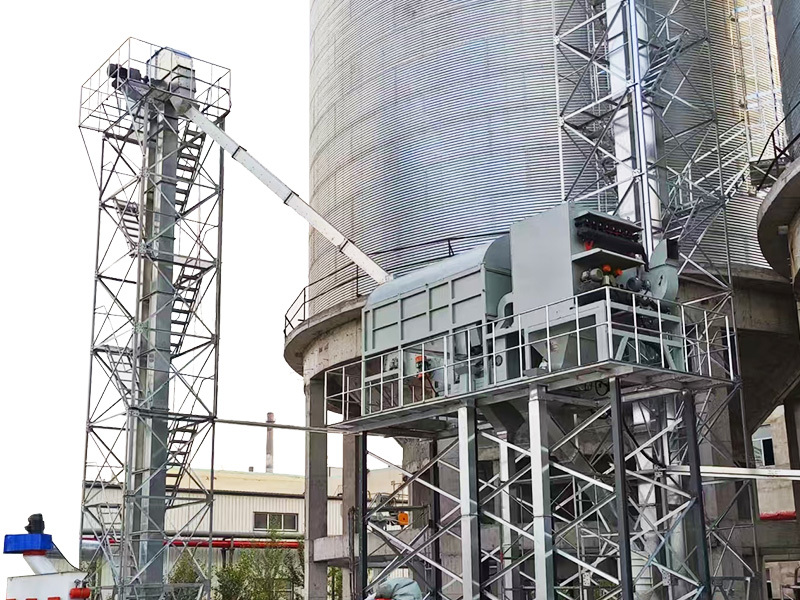
Flat bottom steel silos are increasingly recognized as a pivotal element in the storage and transportation of bulk materials. Their design, characterized by a flat base, provides distinct advantages over other silo types, particularly in terms of stability, space utilization, and loading/unloading efficiency.
One primary advantage of flat bottom steel silos is their structural integrity. Built wit
Flat bottom steel silos are increasingly recognized as a pivotal element in the storage and transportation of bulk materials. Their design, characterized by a flat base, provides distinct advantages over other silo types, particularly in terms of stability, space utilization, and loading/unloading efficiency.
One primary advantage of flat bottom steel silos is their structural integrity. Built with high-strength steel, these silos offer enhanced durability and resistance to various environmental factors, which is crucial for long-term storage solutions. This resilience ensures that the materials stored within are protected, reducing the risk of spoilage or contamination, which can be a significant concern in the transportation and storage of goods.
Another key feature of flat bottom steel silos is their efficient vertical space utilization. Unlike traditional grain bins that require sloped bottoms, flat bottom designs allow for maximum storage capacity. This increased capacity can lead to lower handling costs per unit of material, ultimately contributing to reduced operational expenses. Additionally, the flat base allows for easier access during maintenance and cleaning, which is essential in ensuring the silos remain in optimal condition.
Loading and unloading operations are streamlined with flat bottom steel silos. Their design enables gravity-fed discharge systems, which can significantly reduce the time and labor required to transfer materials. The bottom discharge systems facilitate rapid unloading, making them an ideal choice for operations that require quick turnaround times. This efficiency can be particularly advantageous in industries where timely deliveries are critical, enhancing the overall supply chain process.
From a safety perspective, flat bottom steel silos also present several benefits. Their low center of gravity contributes to greater stability, minimizing the risk of tipping during loading and unloading. Furthermore, with the integration of advanced monitoring technologies, such as level sensors and automated control systems, operators can manage storage levels more effectively, ensuring safety and compliance with industry regulations.
In conclusion, the implementation of flat bottom steel silos can significantly enhance the efficiency of material storage and transportation operations. By optimizing space utilization, improving safety, and facilitating faster loading and unloading processes, these silos represent a strategic investment for businesses in the transportation and warehousing sectors. Understanding these advantages will enable professionals to make informed decisions that can lead to improved operational performance and competitiveness in the market.
One primary advantage of flat bottom steel silos is their structural integrity. Built with high-strength steel, these silos offer enhanced durability and resistance to various environmental factors, which is crucial for long-term storage solutions. This resilience ensures that the materials stored within are protected, reducing the risk of spoilage or contamination, which can be a significant concern in the transportation and storage of goods.
Another key feature of flat bottom steel silos is their efficient vertical space utilization. Unlike traditional grain bins that require sloped bottoms, flat bottom designs allow for maximum storage capacity. This increased capacity can lead to lower handling costs per unit of material, ultimately contributing to reduced operational expenses. Additionally, the flat base allows for easier access during maintenance and cleaning, which is essential in ensuring the silos remain in optimal condition.
Loading and unloading operations are streamlined with flat bottom steel silos. Their design enables gravity-fed discharge systems, which can significantly reduce the time and labor required to transfer materials. The bottom discharge systems facilitate rapid unloading, making them an ideal choice for operations that require quick turnaround times. This efficiency can be particularly advantageous in industries where timely deliveries are critical, enhancing the overall supply chain process.
From a safety perspective, flat bottom steel silos also present several benefits. Their low center of gravity contributes to greater stability, minimizing the risk of tipping during loading and unloading. Furthermore, with the integration of advanced monitoring technologies, such as level sensors and automated control systems, operators can manage storage levels more effectively, ensuring safety and compliance with industry regulations.
In conclusion, the implementation of flat bottom steel silos can significantly enhance the efficiency of material storage and transportation operations. By optimizing space utilization, improving safety, and facilitating faster loading and unloading processes, these silos represent a strategic investment for businesses in the transportation and warehousing sectors. Understanding these advantages will enable professionals to make informed decisions that can lead to improved operational performance and competitiveness in the market.
Tag:
Previous Page
Recommend Blog
Maximizing Maize Storage Efficiency with Galvanized Steel Silos
When it comes to storing maize, one of the most effective and durable solutions available is the galvanized steel silo. These silos are specifically designed to provide a safe and controlled environment for agricultural products, thereby maximizing storage efficiency and minimizing spoilage. Understanding the benefits and features of galvanized steel silos can provide valuable insights for those i


Contact Information
Industrial Zone, Cui Miao Town, Fucheng County, Hengshui City, Hebei Province
Message feedback
Business License
Power by 300.cn | TAG | City List | Privacy